
Insight
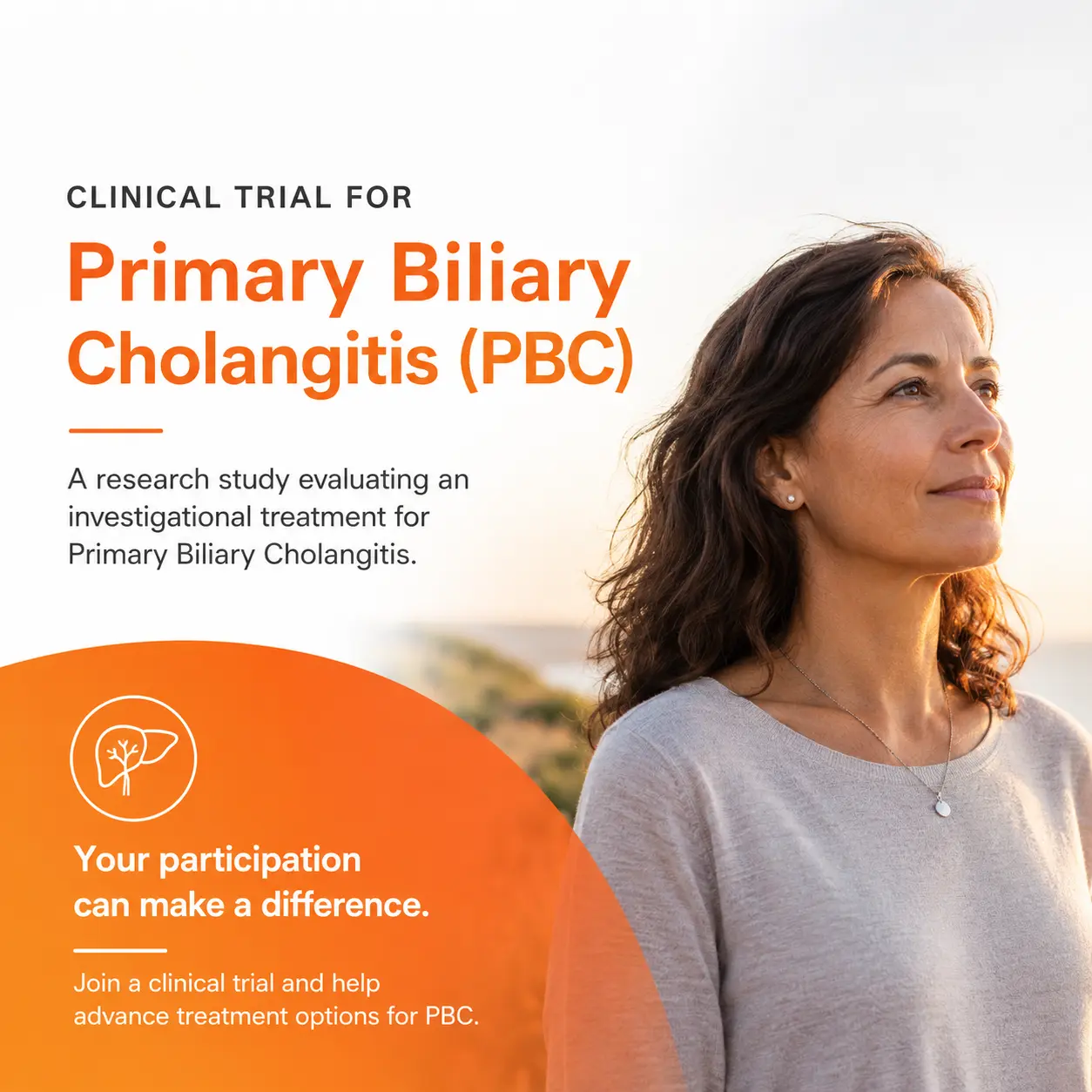
When the organisation partnered with Adsthetics, digital advertising had not yet established meaningful awareness or patient acquisition for its clinical trials.
The challenge was exceptionally complex.
Unlike traditional healthcare campaigns, the target audience was not broad or easily identifiable. The trials focused on patients with rare diseases — audiences that advertising platforms are not designed to isolate directly through standard targeting methods.
This created a fundamental limitation.
There was no single reliable targeting variable capable of identifying eligible patients at scale. Instead, recruitment depended on identifying behavioural and demographic patterns indirectly associated with each condition.
At the same time, every clinical trial required a different strategic structure:
- Different age distributions
- Different behavioural characteristics
- Different informational ecosystems
- Different emotional drivers and awareness levels
This reframed the problem:
Patient acquisition would depend not on direct targeting, but on building layered audience models capable of approximating highly specific medical populations.
Execution
We approached the strategy as a precision audience modelling system, combining Meta and Google Ads into a coordinated recruitment framework.
Each clinical trial was treated independently, with its own targeting architecture built through a combination of:
- Clinical research
- Demographic analysis
- Behavioural profiling
- Interest-layer modelling
Because direct targeting for rare diseases was not possible, we relied on secondary indicators to identify likely patient groups. This included analysing which age groups statistically showed higher prevalence for specific conditions, alongside behavioural patterns and media consumption habits commonly associated with those audiences.
Targeting layers were then strategically combined:
- Interests in condition-related publications and media
- Behavioural signals aligned with relevant lifestyles or health concerns
- Demographic filtering
- Search intent related to symptoms, treatments, and support information
Google Ads captured high-intent demand from users actively researching conditions and treatments, while Meta Ads enabled broader discovery and behavioural qualification across multiple regions.
A further complexity emerged at the algorithmic level.
Advertising systems are generally optimised for broader commercial environments and naturally drift toward easier-to-convert audiences over time. In rare disease recruitment, this often meant algorithms slowly deviated away from medically relevant users.
To counteract this, campaigns required continuous refinement and periodic restructuring — effectively retraining the systems to prioritise audience quality and enrolment relevance over generic optimisation behaviour.
This created a highly controlled acquisition framework capable of operating effectively within one of the most restrictive targeting environments in digital advertising.
Results
The strategy delivered significant patient acquisition growth across multiple international markets despite the severe targeting limitations of the sector.
- 92% increase in patient enrolment
- 25% lower acquisition costs compared to competitors
- Campaigns scaled across the EU, UK, North America, and South America
More importantly, the organisation established a scalable recruitment framework capable of supporting future clinical trial growth across multiple geographies and conditions.
By combining research-driven targeting with continuous optimisation and algorithm management, the campaigns transformed digital advertising into a reliable patient recruitment engine for highly specialised medical studies.